


Time:2025-12-30 Views:1 source:News
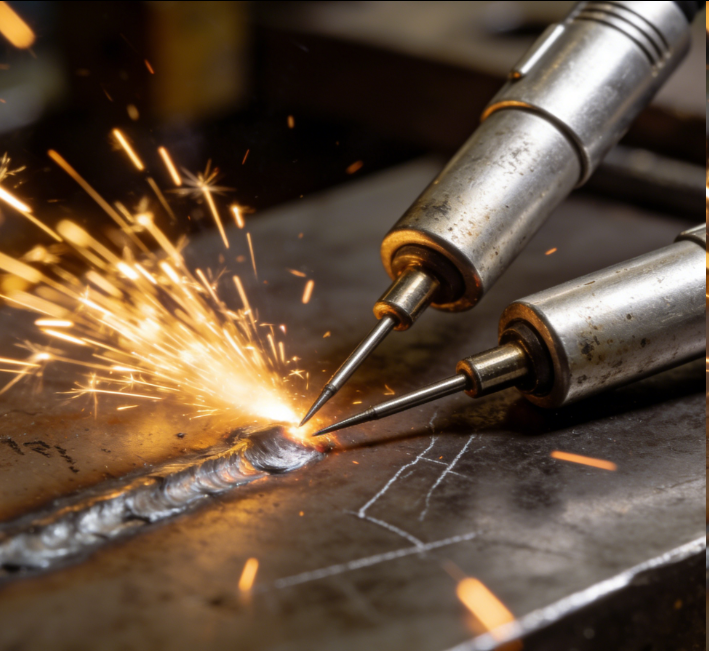
The welding performance of pogopin probes is a key factor in determining their usability and reliability in electronic assembly processes. A good welding performance ensures a strong, stable, and reliable electrical connection between the pogopin probe and the circuit board or other components, which is essential for the proper functioning of electronic devices.
One of the primary aspects affecting the welding performance of pogopin probes is the material compatibility between the probe and the welding materials, such as solder. Different metals have different wettability characteristics with solder. For example, copper, which is commonly used in pogopin probes, generally has good wettability with tin - based solders. However, if the surface of the copper is oxidized or contaminated, it can significantly reduce the wettability and lead to poor soldering quality. To address this, proper surface preparation of the pogopin probe before welding is crucial. This may involve cleaning the surface to remove any oxides, dirt, or grease, and applying flux, which helps to improve the wettability of the metal surface by removing oxides and reducing surface tension during the soldering process.
The geometry and design of the pogopin probe also play a role in its welding performance. Probes with appropriate contact areas and shapes can facilitate better solder flow and distribution, resulting in a more uniform and reliable solder joint. For instance, probes with a flat or slightly concave contact surface can provide a larger contact area for the solder, enhancing the mechanical and electrical strength of the joint. Additionally, the length and diameter of the probe pins need to be optimized to ensure proper insertion into the soldering holes on the circuit board and to allow for sufficient solder penetration.
Welding process parameters, such as temperature, time, and soldering method, have a significant impact on the welding performance of pogopin probes. The soldering temperature needs to be carefully controlled. If the temperature is too low, the solder may not melt properly, resulting in a weak or incomplete joint. On the other hand, if the temperature is too high, it can cause damage to the pogopin probe, such as melting or deforming the plastic components or over - oxidizing the metal surfaces. The soldering time also needs to be optimized to ensure that the solder fully wets the surfaces and forms a strong bond without causing excessive heat exposure. Different soldering methods, such as manual soldering, wave soldering, or reflow soldering, have their own characteristics and requirements. For example, wave soldering is suitable for mass production but may require specific designs of pogopin probes to ensure proper soldering, while reflow soldering offers more precise control over the soldering process but may have limitations in terms of the size and shape of the components that can be soldered. By carefully considering these factors and optimizing the material, design, and welding process, the welding performance of pogopin probes can be improved, ensuring reliable electrical connections in electronic devices.
Read recommendations:
Industrial Magnetic PogoPin Industrial
Magnetic connector for IoT devices


159-2067-7287 Mr. Wan

0769-86006029

No. 5, Zhenrong Road, Wusha, Chang'an Town, Dongguan City
 Whatapp
CopyRight © 2024 Dongguan Yongtan New Energy Co., Ltd. All Rights Reserved


 CN
CN
 Home >