


Time:2025-12-17 Views:1 source:News
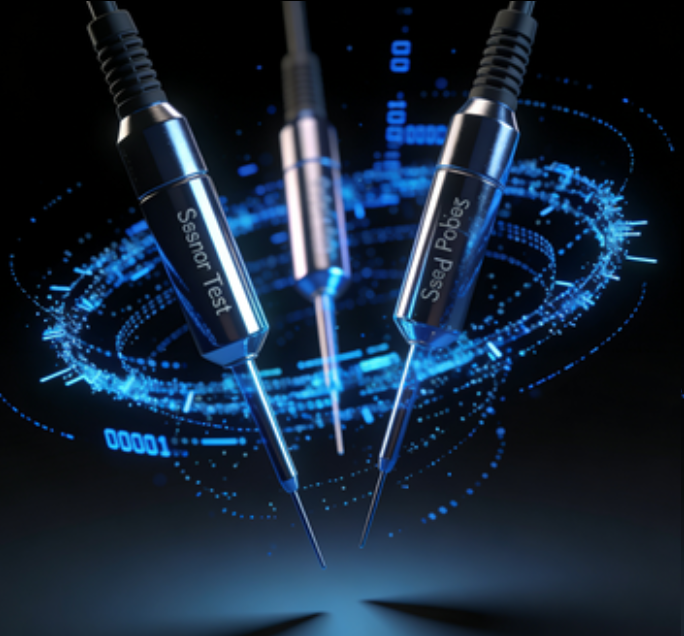
Sensor test probes are precision tools used to calibrate, validate, and troubleshoot sensors—devices that convert physical stimuli (temperature, pressure, light, motion) into electrical signals—across industries like manufacturing, aerospace, and healthcare. These probes mimic real-world stimuli or measure sensor outputs, ensuring sensors operate within specified accuracy ranges and deliver reliable data. They come in specialized designs tailored to sensor types: temperature probes (with thermocouple or RTD elements), pressure probes (with calibrated pressure chambers), light probes (with adjustable LED sources), and motion probes (with precision position encoders).
A key function is sensor calibration: for example, a temperature sensor test probe (like Omega’s HH81 handheld temperature probe) generates a known temperature (from -40°C to 250°C) to compare with the sensor’s output, adjusting the sensor if discrepancies exceed tolerance. Pressure sensor test probes apply controlled pressure (vacuum to 10,000 psi) to validate pressure sensor accuracy, critical for applications like hydraulic systems or medical devices. Light sensor test probes emit calibrated light intensity (in lux or lumens) to verify light sensor responses, ensuring consistency in automotive lighting systems or smart home devices.
Sensor test probes often integrate digital displays (to show reference values), data logging (to record sensor outputs over time), and wireless connectivity (to send data to smartphones or computers for analysis). They are essential in manufacturing quality control (ensuring sensors in production lines meet standards), aerospace maintenance (calibrating flight sensors like accelerometers), and healthcare (validating medical sensors like blood pressure monitors). Precision is paramount: probes have accuracy ratings as tight as ±0.1°C (for temperature) or ±0.1% (for pressure), ensuring reliable sensor performance. For engineers and quality technicians, these probes ensure sensors deliver accurate, consistent data—critical for system safety, efficiency, and compliance.
Read recommendations:
European standard external thread charging gun terminal
Anti - vibration magnetic connector for rugged industrial machinery


159-2067-7287 Mr. Wan

0769-86006029

No. 5, Zhenrong Road, Wusha, Chang'an Town, Dongguan City
 Whatapp
CopyRight © 2024 Dongguan Yongtan New Energy Co., Ltd. All Rights Reserved


 CN
CN
 Home >