


Time:2025-12-25 Views:1 source:News
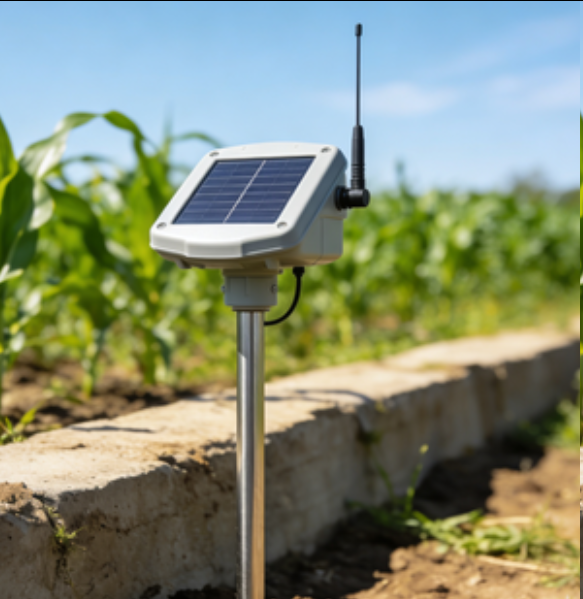
Sensor Probes are specialized detection devices designed to capture physical, chemical, or biological signals from the environment and convert them into measurable electrical data—serving as the “frontline” of sensing systems across industries like manufacturing, environmental monitoring, automotive, and consumer electronics. Unlike integrated sensors (which combine probe and processing units into a single device), sensor probes focus on direct signal collection, leveraging tailored materials and structures to interact with specific stimuli (e.g., temperature, pressure, light, or chemical composition) with high accuracy.
The core functionality of sensor probes lies in stimulus-specific design: each probe is engineered to respond to a particular input. For example, a temperature sensor probe might use a thermistor (a resistor with temperature-dependent resistance) or thermocouple (generating voltage based on temperature differences) encased in a heat-conductive metal tip to measure ambient or surface temperatures. A pressure sensor probe could feature a flexible diaphragm that deforms under pressure, altering the electrical capacitance of internal components to quantify force. Chemical sensor probes often use reactive materials (e.g., metal oxides or enzymes) that change electrical properties when exposed to target substances like gases (e.g., carbon dioxide) or liquids (e.g., pH levels in water).
Key characteristics of high-performance sensor probes include high sensitivity (detecting minute changes in the target stimulus, such as 0.1°C temperature fluctuations or 0.1 kPa pressure variations), selectivity (ignoring interference from non-target stimuli to ensure accurate data), and environmental resilience (withstanding harsh conditions like high temperatures, corrosive chemicals, or mechanical vibration). For instance, an industrial pressure sensor probe used in manufacturing might have a stainless-steel housing to resist corrosion from coolants, while an environmental light sensor probe could include a UV-resistant coating to maintain performance outdoors.
Practical applications are diverse: in automotive systems, sensor probes monitor engine oil pressure and coolant temperature to prevent overheating; in environmental science, they measure air pollutant concentrations or soil moisture levels for ecological research; in consumer electronics, they enable devices like smartphones to adjust screen brightness based on ambient light. By providing direct, accurate signal capture, sensor probes form the foundation of data-driven decision-making, ensuring systems operate efficiently, safely, and in line with desired parameters.
Read recommendations:
European standard charging cable
American standard to Tesla adapter (new model)


159-2067-7287 Mr. Wan

0769-86006029

No. 5, Zhenrong Road, Wusha, Chang'an Town, Dongguan City
 Whatapp
CopyRight © 2024 Dongguan Yongtan New Energy Co., Ltd. All Rights Reserved


 CN
CN
 Home >