


Time:2025-10-21 Views:1 source:News
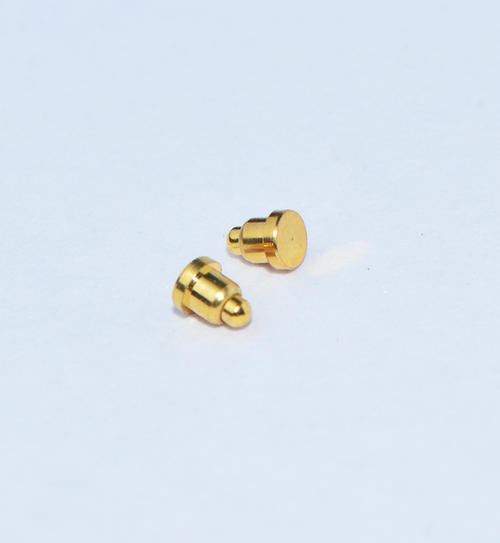
Robot probes are sophisticated and versatile tools that endow robots with the ability to interact with their environment, gather information, and perform precise tasks. These probes come in a wide variety of forms and designs, each tailored to specific applications and requirements within the realm of robotics.
One of the primary functions of robot probes is sensory perception. For example, tactile probes are equipped with sensitive sensors that allow robots to detect physical contact, measure forces, and sense textures. These probes are crucial for tasks such as object manipulation, assembly, and quality inspection. In a manufacturing setting, a robot with a tactile probe can accurately grasp delicate components, applying just the right amount of force to avoid damage while ensuring a secure hold. The probe's ability to sense textures can also help the robot distinguish between different materials or identify surface defects, enhancing the precision and reliability of the manufacturing process.
Vision - based probes, often in the form of cameras or optical sensors, play a vital role in enabling robots to “see” and understand their surroundings. These probes capture visual information, which is then processed by the robot's control system to identify objects, determine their positions, and plan movement paths. In autonomous mobile robots, vision probes are essential for navigation, allowing the robot to detect obstacles, recognize landmarks, and follow designated routes. Advanced vision probes may incorporate features like 3D imaging and depth sensing, providing the robot with a more comprehensive understanding of the spatial environment. This enables robots to perform complex tasks such as picking and placing objects in unstructured environments or conducting inspections in hard - to - reach areas.
In addition to sensory functions, robot probes can also be designed for specialized tasks. For instance, robotic probes used in medical applications are highly precise and delicate. Minimally invasive surgical robots rely on slender probes equipped with surgical instruments, cameras, and sensors. These probes allow surgeons to perform intricate procedures with enhanced precision and control, reducing trauma to the patient's body. The probes' small size and maneuverability enable access to areas that are difficult to reach with traditional surgical tools, opening up new possibilities for minimally invasive treatments.
Another area where robot probes are widely used is in exploration and inspection. In environments such as deep - sea, space, or hazardous industrial sites, robots equipped with appropriate probes can carry out tasks that are too dangerous or difficult for humans. Underwater robots with sonar and sampling probes can explore the ocean floor, collect geological samples, and map underwater terrain. Space probes attached to robotic arms on spacecraft can perform tasks like asteroid sampling or surface exploration on other planets. These probes are designed to withstand extreme conditions and are often equipped with specialized sensors and tools to gather valuable data and conduct scientific research. Overall, robot probes are indispensable components that significantly expand the capabilities of robots, enabling them to perform a diverse range of tasks across multiple industries.
Read recommendations:


159-2067-7287 Mr. Wan

0769-86006029

No. 5, Zhenrong Road, Wusha, Chang'an Town, Dongguan City
 Whatapp
CopyRight © 2024 Dongguan Yongtan New Energy Co., Ltd. All Rights Reserved


 CN
CN
 Home >