


Time:2025-12-08 Views:1 source:News
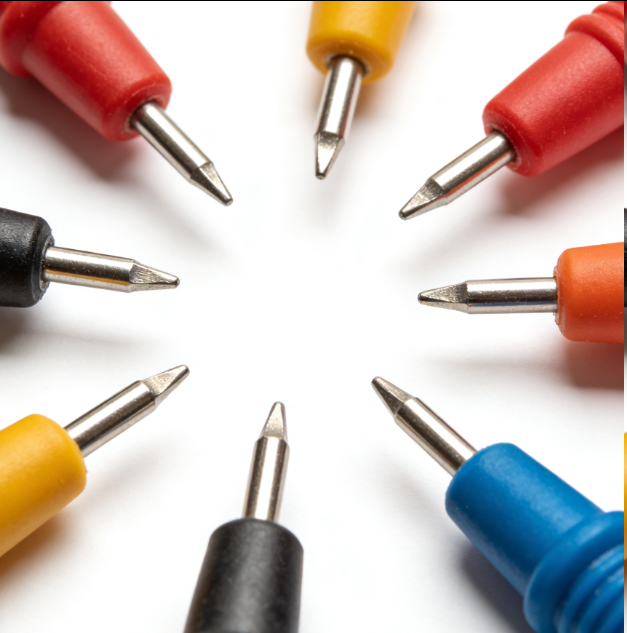
Resistive test probes are specifically designed for testing resistive touch screens, which function based on pressure-induced changes in electrical resistance between two conductive layers (a top flexible layer and a bottom rigid layer). Unlike capacitive probes, which simulate electrostatic signals, resistive probes apply controlled pressure to the screen to create contact between the layers, measuring the resulting change in resistance to verify touch detection. This focus on pressure makes their design and functionality distinct, as they must replicate the physical force of a human touch while ensuring consistent and repeatable test results.
The key design elements of resistive test probes include a pressure-adjustable mechanism and a durable, non-abrasive tip. The tip is typically made of soft rubber or foam to prevent damage to the screen’s top layer, while an internal spring or pneumatic system allows precise control of the pressure applied—usually between 50 and 200 grams, which matches the typical force of a human finger tap. Some advanced models also feature force sensors that measure the exact pressure during testing, ensuring that the screen responds correctly across different force levels. This is important because resistive screens can vary in their pressure sensitivity, and a probe that applies too much force may damage the screen, while too little force may fail to trigger a response.
Resistive test probes are widely used in industries that rely on rugged, cost-effective touch screens, such as industrial machinery, ATMs, and older consumer electronics. They are used to detect common issues like dead spots (areas where no touch is registered), inconsistent resistance (leading to erratic touch responses), and layer separation (a common failure mode in resistive screens). During testing, the probe is positioned at specific coordinates, applies the set pressure, and the testing system measures the resistance between the two layers to confirm that the touch is detected accurately. This process is often automated in production lines to ensure high throughput and consistent quality. While resistive touch technology is less common in modern consumer devices compared to capacitive, it remains prevalent in harsh environments, making these probes essential for maintaining the reliability of resistive touch screen-based systems. The probes’ ability to simulate real-world pressure conditions ensures that the screens perform as expected in their intended applications.
Read recommendations:


159-2067-7287 Mr. Wan

0769-86006029

No. 5, Zhenrong Road, Wusha, Chang'an Town, Dongguan City
 Whatapp
CopyRight © 2024 Dongguan Yongtan New Energy Co., Ltd. All Rights Reserved


 CN
CN
 Home >