


Time:2025-11-19 Views:1 source:News
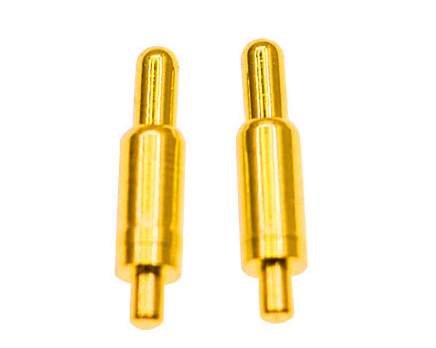
A Pogopin power device probe is a specialized electrical contact component designed for testing and measuring high-power electronic devices—such as power semiconductors (IGBTs, MOSFETs), power modules, and voltage regulators—capable of handling high current (up to hundreds of amps) and high voltage (up to thousands of volts) while maintaining stable electrical contact. Unlike standard low-current Pogopin probes, it features a robust structure, high-current-carrying materials, and heat dissipation design to withstand the harsh conditions of power device testing, making it ideal for industries like automotive (electric vehicle power systems), renewable energy (inverters), and industrial automation (motor drives).
The core design features of a Pogopin power device probe include high-current-carrying pin structure, heat-resistant materials, stable contact pressure mechanism, and insulation protection. The high-current-carrying pin structure is optimized for low resistance and high current capacity: the pin diameter ranges from 1mm to 5mm (much larger than standard Pogopin pins), with a solid or hollow core made of high-conductivity, high-strength materials like copper-tungsten (Cu-W) alloy or oxygen-free copper (OFC). These materials have excellent current-carrying capacity (up to 200A per pin) and mechanical strength to avoid deformation under high current. The pin surface is plated with thick gold (5μm to 10μm) or silver (Ag) to reduce contact resistance (≤10mΩ) and minimize heat generation—critical for high-current testing, where excessive resistance could cause overheating and damage the probe or device.
Heat-resistant materials are used for the probe’s housing and internal components: the housing is made of high-temperature-resistant plastics (e.g., PEEK, which can withstand up to 250°C) or ceramic (AlN, with excellent thermal conductivity) to dissipate heat generated during high-current testing. Some models also integrate heat sinks or cooling channels into the housing to further enhance heat dissipation, allowing continuous testing at high power levels (up to 1kW) without performance degradation. The stable contact pressure mechanism uses a heavy-duty spring (made of stainless steel or Inconel alloy) that provides 50g to 200g of contact pressure—ensuring firm contact with the power device’s terminals even under high current, which can cause slight thermal expansion of the device. This prevents arcing (a common issue in high-voltage testing) and maintains consistent signal transmission.
Insulation protection is essential for high-voltage safety: the probe’s housing has a high dielectric strength (≥10kV/mm) to prevent electrical leakage between pins or between the probe and test equipment. The pins are separated by insulating spacers (made of ceramic or PTFE) with precise spacing (matching the power device’s terminal pitch) to avoid short circuits. Some models also include a shielding layer (made of copper or aluminum) to reduce electromagnetic interference (EMI) during testing—critical for power devices like IGBTs, which generate strong EMI when switching.
In practical applications, Pogopin power device probes are vital for power electronics testing. In electric vehicle (EV) power module testing, the probes connect a test system to the module’s IGBT terminals, measuring parameters like on-state voltage (Vce(sat)) and switching loss under high current (100A to 500A) to ensure the module meets EV performance and safety standards. In renewable energy inverter testing, they test the inverter’s power semiconductor devices under high voltage (1kV to 3kV) and variable current conditions, verifying efficiency and reliability. In industrial motor drive testing, they measure the power device’s performance under load, ensuring the drive can handle the motor’s peak current demands. For manufacturers and test labs working with high-power electronics, Pogopin power device probes provide a safe, reliable solution for accurate power testing.
Read recommendations:
American standard to Tesla adapter (new model)
Magnetic PogoPin Consumer Electronics Supplier
The Role of Semiconductor Test Probes
Miniature magnetic connector for space - constrained industrial devices


159-2067-7287 Mr. Wan

0769-86006029

No. 5, Zhenrong Road, Wusha, Chang'an Town, Dongguan City
 Whatapp
CopyRight © 2024 Dongguan Yongtan New Energy Co., Ltd. All Rights Reserved


 CN
CN
 Home >