


Time:2025-11-18 Views:1 source:News
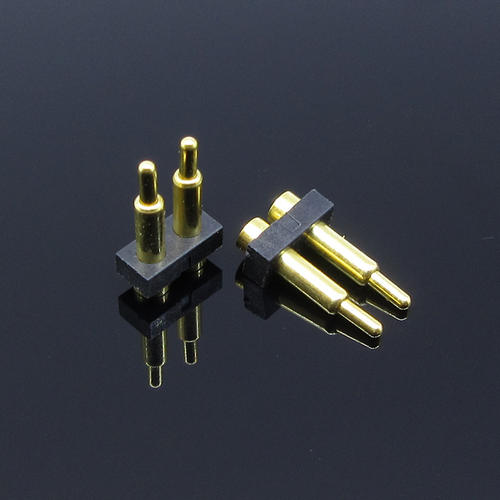
A Pogopin electronic component probe is a versatile, small-scale electrical contact tool designed for testing, inspecting, or connecting a wide range of miniature electronic components—such as resistors, capacitors, diodes, LEDs, and small integrated circuits (ICs) with low to medium power requirements. Unlike specialized probes (e.g., power device probes), it prioritizes miniaturization, flexible applicability, and gentle contact to adapt to the diverse sizes and fragility of electronic components, making it suitable for scenarios like component sorting, circuit board repair, and prototype testing in consumer electronics, wearables, and medical devices.
The core characteristics of a Pogopin electronic component probe include miniature size, low contact force, multi-material compatibility, and flexible integration. Miniature size is a defining feature: the probe’s pin diameter ranges from 0.05mm to 0.3mm, with an overall length of 2mm to 10mm—allowing it to access small components in tight spaces (e.g., components on a smartwatch PCB with pad pitches as small as 0.2mm). The pin’s slim design is achieved using high-precision machining of beryllium copper (BeCu) or titanium alloy (Ti-6Al-4V), which balances conductivity and mechanical strength to avoid bending or breaking during use.
Low contact force (typically 5g to 15g) is critical for testing fragile components: LEDs, thin-film capacitors, and small diodes can be damaged by excessive pressure, so the probe’s spring (made of fine stainless steel wire) provides gentle but sufficient force to ensure electrical contact without component deformation. This is especially important for component sorting, where thousands of small components are tested daily—low contact force reduces wear on both the probe and components, extending their service life.
Multi-material compatibility is ensured by the probe’s plating options: common plating layers include gold (Au, for low-resistance contact with copper or nickel pads), tin (Sn, for compatibility with solder-coated terminals), and palladium-nickel (Pd-Ni, for corrosion resistance in humid environments). This allows the probe to test components with different terminal materials, eliminating the need for multiple probe types. For example, a gold-plated probe can test a copper-pad resistor, while a tin-plated probe is suitable for a solder-terminal LED.
Flexible integration enables the probe to be used in various setups: it can be integrated into handheld test tools (for manual component inspection), automated sorting machines (for high-volume component testing), or prototype test jigs (for circuit verification). Handheld tools with Pogopin probes allow technicians to quickly test individual components (e.g., checking if a diode is functional by measuring its forward voltage), while automated machines use arrays of Pogopin probes to sort components by parameters (e.g., sorting resistors by resistance value) at speeds of hundreds per minute.
In practical use, Pogopin electronic component probes support diverse electronic manufacturing and repair tasks. In consumer electronics manufacturing (e.g., smartphone assembly), they test small components like surface-mount resistors and capacitors on PCBs, ensuring each component is correctly soldered and functional. In wearable device prototyping (e.g., fitness trackers), they connect prototype circuits to test equipment, allowing engineers to measure component performance (e.g., a sensor’s output signal) without permanent soldering. In electronics repair (e.g., repairing a laptop motherboard), they help diagnose faulty components by making temporary contact with terminals, avoiding damage to the PCB during testing. For anyone working with small electronic components, Pogopin electronic component probes offer a flexible, gentle, and reliable solution for electrical contact needs.
Read recommendations:
Energy storage connector metal terminal


159-2067-7287 Mr. Wan

0769-86006029

No. 5, Zhenrong Road, Wusha, Chang'an Town, Dongguan City
 Whatapp
CopyRight © 2024 Dongguan Yongtan New Energy Co., Ltd. All Rights Reserved


 CN
CN
 Home >