


Time:2025-11-27 Views:1 source:News
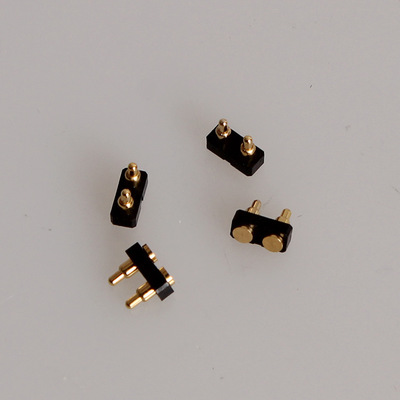
Pogo Pin ROHS-compliant materials refer to the component materials of Pogo Pins (spring-loaded contact pins used in electrical connections) that meet the Restriction of Hazardous Substances (ROHS) directive, a global standard restricting the use of 10 hazardous substances (e.g., lead, mercury, cadmium, hexavalent chromium) in electrical and electronic equipment. Unlike non-compliant materials that pose environmental and health risks, ROHS-compliant materials ensure Pogo Pins are safe for global markets, reduce ecological impact during disposal, and align with corporate sustainability goals—critical for industries like consumer electronics, automotive, and medical devices.
The core requirement for ROHS-compliant Pogo Pin materials lies in strict substance limits and material selection. For key components: 1) Pin Body: Typically made of brass (Cu-Zn alloy) or phosphor bronze, both ROHS-compliant as they contain no restricted heavy metals; some high-performance models use beryllium copper (Be-Cu) with beryllium content <0.1% (within ROHS limits) for enhanced elasticity. 2) Plating Layers: Must avoid hexavalent chromium (CrVI); common ROHS-compliant options include gold plating (Au, ≥99.9% purity, no hazardous additives), nickel plating (Ni, with nickel release <0.5 μg/cm²/week to meet EU REACH requirements), or tin plating (Sn, lead-free, often alloyed with silver for corrosion resistance). 3) Spring: Uses stainless steel (e.g., 304 or 316) or piano wire, both free of restricted substances; the spring’s coating (if any) must also be ROHS-compliant. 4) Insulator: Made of thermoplastics like LCP (Liquid Crystal Polymer) or PPS (Polyphenylene Sulfide), which contain no brominated flame retardants (another ROHS restriction) and meet UL94 V-0 flammability standards.
Application scenarios demand strict ROHS compliance. In consumer electronics (e.g., smartphones, laptops), Pogo Pins for charging ports or data connections must be ROHS-compliant to enter EU, US, and Asian markets (e.g., China’s GB/T 26572, equivalent to ROHS). In automotive electronics (e.g., EV battery connectors), ROHS materials ensure Pogo Pins are safe for vehicle interiors and meet IATF 16949 standards. In medical devices (e.g., diagnostic equipment), compliance prevents hazardous substance leaching that could harm patients. Manufacturers must provide ROHS test reports (e.g., from SGS, TÜV) for each material batch, verifying substance concentrations are below ROHS limits (e.g., lead <1000 ppm, cadmium <100 ppm).
When selecting ROHS-compliant Pogo Pin materials, key factors include material traceability, third-party certification, and application-specific durability. Choose suppliers with complete material certificates (e.g., COC—Certificate of Conformity) to track material origins. Prioritize plating processes with ROHS-compliant chemistries (e.g., cyanide-free gold plating). For high-temperature applications (e.g., automotive under-hood), ensure plastics like LCP retain ROHS compliance at 150°C+ temperatures. With ROHS compliance becoming a mandatory entry barrier for global markets, using compliant materials is non-negotiable for Pogo Pin manufacturers and buyers.
Read recommendations:


159-2067-7287 Mr. Wan

0769-86006029

No. 5, Zhenrong Road, Wusha, Chang'an Town, Dongguan City
 Whatapp
CopyRight © 2024 Dongguan Yongtan New Energy Co., Ltd. All Rights Reserved


 CN
CN
 Home >