


Time:2025-12-24 Views:1 source:News
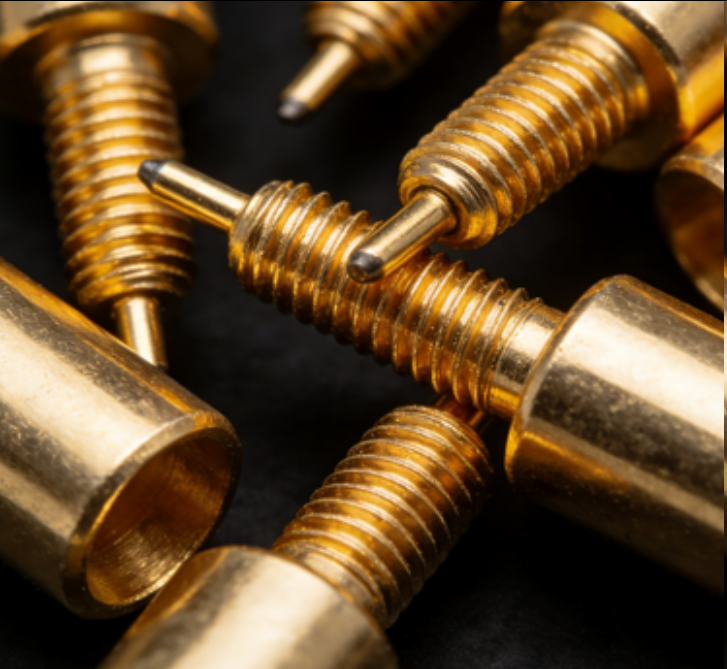
The finish of the Pogo Pin plunger is a crucial factor that impacts its electrical conductivity, mechanical durability, and overall performance. As the component that makes direct contact with the mating surface to establish an electrical connection, the plunger's finish plays a vital role in ensuring reliable and consistent performance, especially in applications where repeated mating and unmating occur.
Electrical conductivity is one of the primary aspects influenced by the plunger finish. A finish with high electrical conductivity ensures minimal electrical resistance during the connection process, allowing for efficient transfer of electrical signals or power. Materials like gold are commonly used for plating the plunger due to its excellent electrical conductivity and resistance to oxidation. Gold plating forms a thin, stable layer on the surface of the plunger, preventing the formation of oxides that can increase electrical resistance over time. This is particularly important in high - frequency applications, where even a slight increase in resistance can lead to signal degradation. Silver plating is another option known for its high electrical conductivity; however, it is more prone to tarnishing, so additional protective measures may be required.
Mechanical durability is also significantly affected by the plunger finish. The surface finish can impact the friction between the plunger and the mating surface, as well as the wear resistance of the plunger itself. A smooth finish reduces friction, allowing for easier insertion and removal of the Pogo Pin during mating and unmating operations. This not only reduces the force required for connection but also minimizes the wear and tear on the plunger and the mating surface, extending the lifespan of both components. Coatings such as nickel - phosphorus plating can provide enhanced wear resistance, making the plunger more durable in applications with high - cycle usage. The hardness of the finish also contributes to mechanical durability. Harder finishes, such as those achieved through processes like diamond - like carbon (DLC) coating, can withstand mechanical stress better and resist scratching or deformation, ensuring consistent performance even in harsh operating conditions.
Corrosion resistance is another key consideration for the plunger finish. In environments where the Pogo Pin may be exposed to moisture, humidity, or corrosive substances, a corrosion - resistant finish is essential. As mentioned, gold plating offers excellent corrosion resistance, protecting the underlying material from oxidation and chemical attack. Chrome plating can also provide good corrosion protection, along with added hardness and a decorative appearance in some cases. Additionally, specialized coatings like Parylene can be applied to the plunger to create a thin, conformal layer that provides superior protection against moisture, chemicals, and other contaminants, making the Pogo Pin suitable for use in medical devices, aerospace, and other harsh - environment applications.
The aesthetic aspect of the plunger finish can also be important in certain applications. In consumer electronics, for example, a visually appealing finish can enhance the overall appearance of the product. Some finishes can be customized to match the design requirements of the device, providing a seamless integration with the overall aesthetic. However, it's important to note that while aesthetics are a consideration, they should not compromise the functional performance of the plunger in terms of electrical conductivity, mechanical durability, and corrosion resistance. Overall, choosing the right plunger finish is a complex decision that requires careful consideration of multiple factors to ensure the optimal performance and reliability of Pogo Pins in various applications.
Read recommendations:
Side post spring needle single needle
Fast charging magnetic connector


159-2067-7287 Mr. Wan

0769-86006029

No. 5, Zhenrong Road, Wusha, Chang'an Town, Dongguan City
 Whatapp
CopyRight © 2024 Dongguan Yongtan New Energy Co., Ltd. All Rights Reserved


 CN
CN
 Home >