


Time:2025-10-29 Views:1 source:News
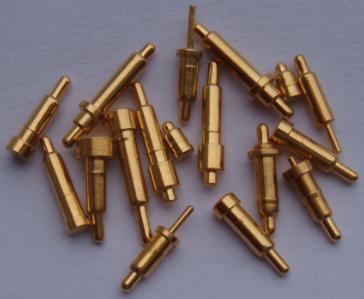
The mold structure for Pogo Pins is a complex and precisely engineered system that plays a vital role in determining the quality, consistency, and production efficiency of these small yet essential electronic components. A well - designed Pogo Pin mold structure ensures accurate shaping, proper assembly, and the ability to produce Pogo Pins in large quantities with high precision.
The mold for Pogo Pins typically consists of several key components. The cavity part is where the Pogo Pin takes its shape. It is machined with extreme precision to match the exact dimensions and geometry of the Pogo Pin, including the body, spring chamber, and contact tip. The cavity is usually made from high - quality tool steel or other durable materials that can withstand the high pressures and temperatures involved in the molding process. The surface finish of the cavity is also crucial, as a smooth surface helps in achieving a smooth and defect - free surface on the Pogo Pin, which is important for its electrical and mechanical performance.
The core part of the mold works in conjunction with the cavity to form the internal features of the Pogo Pin, such as the hole for the spring and the channel for the contact pin. The core is precisely designed and positioned to ensure that these internal features are accurately formed and aligned. The interaction between the cavity and the core during the molding process determines the overall shape and dimensional accuracy of the Pogo Pin.
The gating system in the Pogo Pin mold is responsible for the flow of the molding material, usually a thermoplastic or metal alloy, into the cavity. It consists of runners, gates, and sprues. The runners are channels that carry the molten material from the injection point to the gates, which are small openings through which the material enters the cavity. The design of the gating system is critical for ensuring uniform filling of the cavity and minimizing defects such as air bubbles, sink marks, or short shots. An optimized gating system can also help in reducing the cooling time and improving the production cycle time, thereby increasing the overall productivity of the mold.
Ejection mechanisms are another important aspect of the Pogo Pin mold structure. Once the Pogo Pin is molded and cooled, it needs to be ejected from the mold without causing any damage. Ejection pins or sleeves are used to push the Pogo Pin out of the cavity. These ejection components are carefully designed to apply the right amount of force and to contact the Pogo Pin at appropriate points to ensure a smooth ejection process.
In addition to these basic components, modern Pogo Pin molds may also incorporate advanced features such as temperature control systems, which help in maintaining the optimal molding temperature for different materials and ensure consistent quality. Some molds are designed with multi - cavity configurations, allowing for the production of multiple Pogo Pins in a single cycle, significantly increasing the production capacity. The mold structure for Pogo Pins is a highly specialized and sophisticated system that requires careful design, precise manufacturing, and regular maintenance to produce high - quality Pogo Pins that meet the stringent requirements of the electronics industry.
Read recommendations:
Reliable contact force Magnetic PogoPin


159-2067-7287 Mr. Wan

0769-86006029

No. 5, Zhenrong Road, Wusha, Chang'an Town, Dongguan City
 Whatapp
CopyRight © 2024 Dongguan Yongtan New Energy Co., Ltd. All Rights Reserved


 CN
CN
 Home >