


Time:2025-11-11 Views:1 source:News
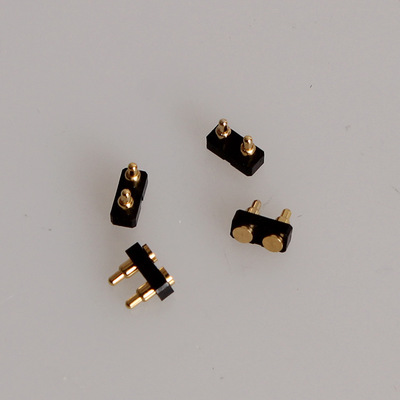
Pogo Pin electronic manufacturing probes are precision electrical contact components designed specifically for use in the mass production of electronic devices, such as smartphones, laptops, wearables, and printed circuit boards (PCBs). Unlike standard test probes that focus solely on temporary connectivity, these probes are engineered to withstand the high-frequency, repetitive contact cycles of manufacturing processes—typically 100,000 to 1,000,000 cycles—while maintaining consistent electrical performance and mechanical stability. Their primary role in electronic manufacturing includes PCB assembly verification, component soldering quality checks, and in-line testing of device functionality during production lines.
The technical design of these probes prioritizes durability and reliability in fast-paced manufacturing environments. They feature a spring-loaded pin structure (usually made of high-conductivity materials like beryllium copper or brass, plated with gold or nickel for corrosion resistance) that ensures firm, low-resistance contact with PCB pads or component terminals. The spring force is precisely calibrated—typically 20 to 50 grams—to balance contact reliability and prevent damage to delicate components (e.g., thin-film PCBs or miniaturized chips). Many models include a “tip design” optimized for manufacturing needs, such as chisel tips for broad contact with solder pads or needle tips for accessing narrow-pitch components (down to 0.2mm pitch), common in modern compact electronics.
In electronic manufacturing workflows, these probes integrate seamlessly with automated test equipment (ATE) and in-line inspection systems. For example, during PCB assembly, Pogo Pin arrays are mounted on test fixtures to verify the continuity of circuit traces, detect short circuits, and confirm the correct placement of surface-mount components (SMDs) like resistors or capacitors. In device final assembly, they enable functional testing—e.g., checking the connectivity of a smartphone’s charging port or the signal transmission of a laptop’s USB-C interface—without opening the device casing. Their compatibility with high-speed data transmission (up to 10 Gbps for some models) also makes them suitable for testing high-performance electronics, such as 5G modems or SSDs, during production.
Practical advantages of these probes for manufacturing include reduced downtime and improved yield rates. Their long cycle life minimizes the need for frequent probe replacement, a critical factor in 24/7 manufacturing lines. The low contact resistance (typically less than 50 milliohms) ensures accurate electrical measurements, reducing false positives in defect detection. Additionally, their modular design allows for easy integration into custom test fixtures, adapting to different PCB sizes or device form factors—from small wearables to large industrial PCBs. For manufacturers, Pogo Pin electronic manufacturing probes are indispensable tools that bridge the gap between precision testing and high-volume production, ensuring consistent quality while maintaining efficiency.
Read recommendations:
Battery interface Pogo Pin Connector
Pogo Pin ROHS-Compliant Materials
Magnetic connector battery management system maintenance and troubleshooting


159-2067-7287 Mr. Wan

0769-86006029

No. 5, Zhenrong Road, Wusha, Chang'an Town, Dongguan City
 Whatapp
CopyRight © 2024 Dongguan Yongtan New Energy Co., Ltd. All Rights Reserved


 CN
CN
 Home >