


Time:2025-10-30 Views:1 source:News
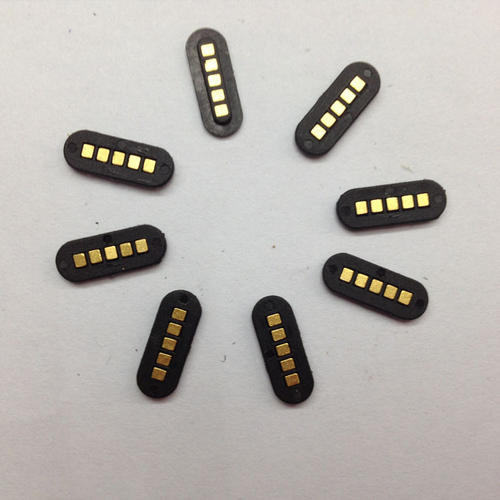
The compression force of a Pogo Pin is a fundamental parameter that directly affects its electrical conductivity, mechanical reliability, and the overall performance of the connection system. It refers to the force exerted by the Pogo Pin when it is compressed between two mating surfaces, and understanding and controlling this force is essential for ensuring optimal functionality.
Adequate compression force is crucial for establishing a low - resistance electrical connection. When a Pogo Pin is compressed, the contact tip presses against the mating surface, creating a physical and electrical bond. Sufficient compression force ensures that the contact area between the two surfaces is maximized, reducing the electrical resistance and enabling efficient power or signal transmission. If the compression force is too low, the contact may be intermittent or have a high resistance, leading to issues such as poor conductivity, data loss, or unstable power supply. For example, in a high - speed data transfer application, a weak compression force could result in signal degradation and errors during data transmission.
However, excessive compression force also poses problems. It can cause damage to the mating contact surfaces, especially if they are made of soft or fragile materials. Over - compression can lead to indentations, scratches, or even permanent deformation of the contact pads, which can compromise the electrical connection and reduce the lifespan of the components. Additionally, high compression force may require more energy to operate the connection mechanism, increasing the power consumption of the system. In some cases, it can also make the insertion and removal of the Pogo Pin more difficult, potentially causing mechanical stress on the surrounding components.
The optimal compression force for a Pogo Pin depends on several factors. The material properties of the Pogo Pin itself, such as the spring material and its elasticity, play a significant role in determining the compression force. Different spring materials have varying levels of stiffness, which directly impacts the force exerted by the Pogo Pin. The size and shape of the Pogo Pin also affect the compression force, as larger pins or those with specific geometries may require different levels of force to achieve a proper connection. Moreover, the nature of the mating contacts, including their surface finish, hardness, and material, must be considered. For instance, a rough - surfaced contact may require a higher compression force to ensure a good electrical connection compared to a smooth - surfaced one.
To ensure the correct compression force, manufacturers often conduct extensive testing and calibration during the production process. They use specialized equipment to measure and adjust the compression force of each Pogo Pin, ensuring that it meets the specified requirements for the intended application. In some cases, adjustable Pogo Pin designs are available, allowing users to fine - tune the compression force according to their specific needs. Overall, carefully controlling the compression force of Pogo Pins is essential for achieving reliable, efficient, and long - lasting electrical connections in a wide range of electronic devices and systems.
Read recommendations:
Consumer Electronics Magnetic PogoPin
Customized Pogo Pin connector price


159-2067-7287 Mr. Wan

0769-86006029

No. 5, Zhenrong Road, Wusha, Chang'an Town, Dongguan City
 Whatapp
CopyRight © 2024 Dongguan Yongtan New Energy Co., Ltd. All Rights Reserved


 CN
CN
 Home >