


Time:2025-12-23 Views:1 source:News
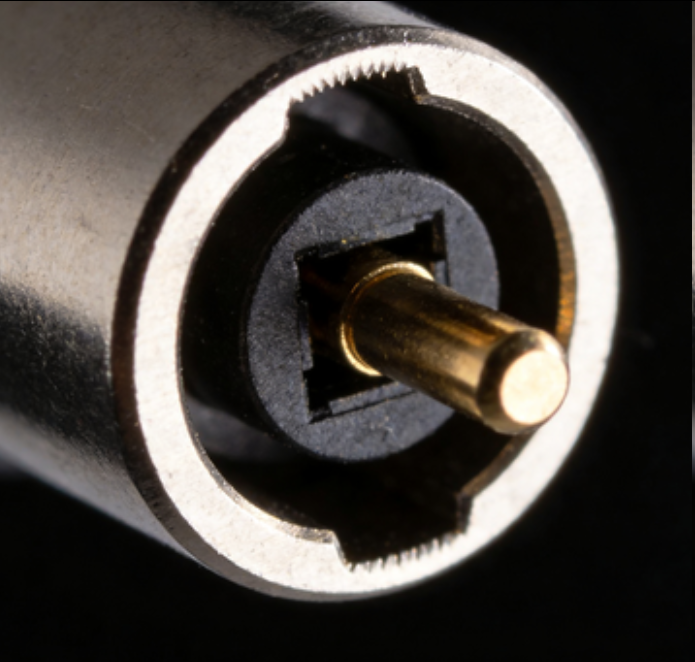
The barrel design of Pogo Pins is a critical aspect that significantly influences their performance, durability, and compatibility with various applications. As the housing that encapsulates the internal components of a Pogo Pin, including the spring and the plunger, the barrel serves multiple essential functions, and its design must be carefully engineered to meet the specific requirements of different usage scenarios.
One of the primary considerations in Pogo Pin barrel design is the material selection. Commonly used materials include brass, stainless steel, and various alloys. Brass is a popular choice due to its excellent electrical conductivity, which is crucial for ensuring reliable electrical connections in Pogo Pins. It also offers good machinability, allowing for the creation of precise barrel geometries. Stainless steel, on the other hand, is favored for its high corrosion resistance, making it suitable for applications where the Pogo Pins may be exposed to moisture, chemicals, or harsh environmental conditions. Alloys can combine the advantages of different metals, providing enhanced strength, durability, and electrical properties tailored to specific needs.
The internal diameter of the barrel is another key design parameter. It must be precisely sized to accommodate the plunger and spring while ensuring smooth movement. A too - tight fit can restrict the plunger's movement, leading to inconsistent contact and potential damage to the internal components. Conversely, a loose fit may cause the plunger to wobble, resulting in poor electrical connectivity and reduced reliability. Additionally, the length of the barrel affects the overall height and stroke length of the Pogo Pin. Longer barrels can provide greater stroke lengths, which may be necessary for applications where there are variations in the mating surface height or for accommodating components with different thicknesses.
The shape and profile of the barrel also play important roles in its functionality. Some barrels may have a simple cylindrical shape, which is straightforward to manufacture and provides a uniform structure. However, in more complex applications, barrels may be designed with specific features such as chamfers, grooves, or flanges. Chamfers at the openings of the barrel can facilitate the insertion of the plunger and reduce the risk of damage during assembly. Grooves can be used for retaining seals or O - rings, enhancing the Pogo Pin's resistance to dust, moisture, and other contaminants. Flanges can provide additional mechanical support or act as mounting points, making it easier to integrate the Pogo Pin into larger assemblies.
Furthermore, the surface finish of the barrel can impact its performance. A smooth surface finish reduces friction between the barrel and the plunger, enabling smoother movement and longer lifespan. Surface treatments such as plating can also be applied to the barrel. Gold plating, for example, not only enhances the electrical conductivity but also provides excellent corrosion resistance and reduces the risk of oxidation, which is crucial for maintaining reliable electrical connections over time. Nickel plating can offer good wear resistance and protection against corrosion, making it suitable for applications with high mechanical stress.
In different industries, the barrel design of Pogo Pins varies according to specific requirements. In consumer electronics, where space is often limited, barrels are designed to be as compact as possible while still ensuring reliable performance. In automotive applications, barrels need to withstand high temperatures, vibrations, and harsh environmental conditions, so materials with high heat resistance and durability are preferred, and designs may incorporate additional features for enhanced reliability. Overall, a well - designed Pogo Pin barrel is essential for ensuring the proper functioning, longevity, and performance of Pogo Pins in a wide range of applications.
Read recommendations:
pogopin Industry Solutions Provider


159-2067-7287 Mr. Wan

0769-86006029

No. 5, Zhenrong Road, Wusha, Chang'an Town, Dongguan City
 Whatapp
CopyRight © 2024 Dongguan Yongtan New Energy Co., Ltd. All Rights Reserved


 CN
CN
 Home >