


Time:2025-11-25 Views:1 source:News
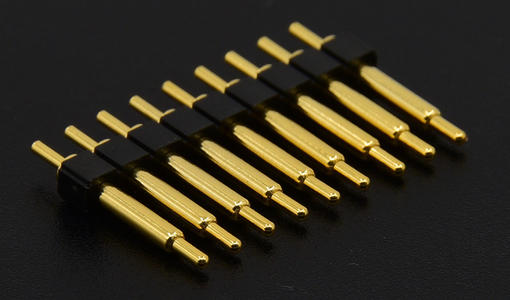
Pogo Pin anti-static measures refer to a series of techniques and materials used to prevent electrostatic discharge (ESD) damage to Pogo Pins—delicate electrical components where ESD can damage internal springs, plating layers, or insulation, leading to poor contact performance, shortened lifespan, or complete failure. Unlike standard handling (which ignores ESD risks), anti-static measures protect Pogo Pins during manufacturing, packaging, storage, and assembly, ensuring consistent electrical performance—critical for applications like semiconductor testing, consumer electronics, and aerospace where reliable connections are essential.
The core of Pogo Pin anti-static measures lies in controlling static generation and dissipation across the entire product lifecycle. Key measures include: 1) Anti-Static Materials in Production: Manufacturing workbenches are covered with conductive rubber mats (surface resistance 10³-10⁵ Ω) grounded to earth via wires, preventing static buildup on work surfaces. Operators wear ESD wrist straps (with resistance 10⁶-10⁸ Ω) connected to ground, ensuring static from human bodies is dissipated. Tools like tweezers or assembly jigs are made of anti-static plastic or conductive metal (e.g., stainless steel with nickel plating) to avoid transferring static to Pogo Pins. 2) ESD-Protective Packaging: As detailed in customized packaging, Pogo Pins are stored in anti-static containers—tape & reel uses anti-static paper or plastic tape, trays use conductive foam or anti-static plastic (surface resistance 10⁶-10¹¹ Ω), and bulk packaging includes ESD shielding bags (with metalized film to block external static fields). All packaging is labeled with ESD warning symbols (e.g., the international ESD logo) to remind handlers of proper care. 3) Controlled Storage Environment: Storage areas maintain relative humidity (RH) between 40%-60%—low RH (<30%) increases static generation, while high RH (>70%) risks corrosion of Pogo Pin plating. Static-ionizers are installed in storage rooms to neutralize static charges in the air, preventing them from accumulating on Pogo Pin surfaces. 4) Assembly Line Anti-Static Controls: Automated assembly machines use conductive conveyors grounded to earth, and Pogo Pin feeding systems (e.g., vibratory bowls) are lined with anti-static material to prevent static buildup during feeding. ESD testing is performed at key assembly stages (e.g., after plating, before packaging) using a static field meter to verify charge levels are below 100V (the threshold for Pogo Pin damage).
Application scenarios demand strict anti-static compliance. In semiconductor testing, Pogo Pins used in probe cards are extremely ESD-sensitive—even a 50V discharge can damage the probe tips, leading to inaccurate test results. Anti-static measures here include using conductive packaging, ionized air blowers in assembly areas, and daily ESD audits of workstations. In consumer electronics (e.g., laptop charging ports), ESD damage to Pogo Pins can cause intermittent charging issues; anti-static packaging ensures pins remain undamaged until assembly. In aerospace applications (e.g., satellite connectors), ESD damage to Pogo Pins could lead to mission failure—anti-static measures include vacuum-sealed ESD bags and static-free assembly in cleanrooms.
When implementing Pogo Pin anti-static measures, key factors include ESD sensitivity level (ESL) of the pins, environmental conditions, and regulatory standards. Pogo Pins with gold plating (more ESD-sensitive than tin plating) require stricter controls (e.g., lower static threshold of 50V). Follow standards like ANSI/ESD S20.20 (US) or IEC 61340 (international) for comprehensive anti-static programs. Regular training of operators on ESD risks and proper handling is also critical—human error (e.g., not wearing wrist straps) is a major cause of ESD damage. With ESD being a leading cause of Pogo Pin failure, robust anti-static measures are essential for ensuring product reliability.
Read recommendations:
smart wearables Magnetic PogoPin
Miniature Reliable contact force magnetic connector for Compact Devices


159-2067-7287 Mr. Wan

0769-86006029

No. 5, Zhenrong Road, Wusha, Chang'an Town, Dongguan City
 Whatapp
CopyRight © 2024 Dongguan Yongtan New Energy Co., Ltd. All Rights Reserved


 CN
CN
 Home >