


Time:2025-10-23 Views:1 source:News
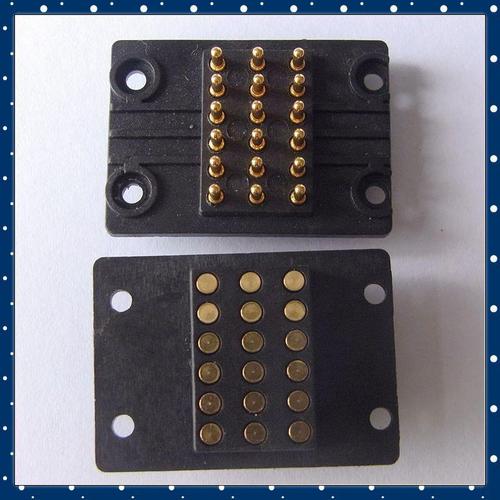
PCB (Printed Circuit Board) testing probes are indispensable tools in the quality control and manufacturing processes of printed circuit boards. These probes play a crucial role in ensuring the functionality and reliability of PCBs by establishing electrical connections to test points on the board, allowing for the detection of manufacturing defects, open circuits, short circuits, and other electrical anomalies.
The design of PCB testing probes is engineered to meet the specific requirements of PCB testing. They typically consist of a tip, a shaft, and a spring mechanism. The tip of the probe is the most critical part as it makes direct contact with the test pads or vias on the PCB. Tips are often made from materials with excellent electrical conductivity, such as tungsten - rhenium or beryllium - copper, to ensure a stable and low - resistance electrical connection. The shape of the tip can vary, with common types including round, pointed, and blade - shaped, depending on the size and shape of the test points and the required contact force.
The shaft of the PCB testing probe provides structural support and is usually made of a durable material like stainless steel. It also houses the spring mechanism, which applies the necessary force to maintain contact between the tip and the test point. The spring force is carefully calibrated to ensure reliable contact without causing damage to the PCB surface or components. Too much force can scratch the PCB or dislodge small components, while too little force may result in an inconsistent electrical connection, leading to inaccurate test results.
In the manufacturing process of PCBs, testing probes are used in various testing methods, such as in - circuit testing (ICT) and flying probe testing. In ICT, an array of fixed - position probes is used to simultaneously test multiple points on the PCB, allowing for quick and comprehensive testing of the board's functionality. Flying probe testing, on the other hand, uses movable probes that can be programmed to test specific points on the PCB, providing more flexibility for testing complex or low - volume PCBs.
To ensure accurate and reliable test results, PCB testing probes need to be of high quality and properly maintained. Regular inspection of the probe tips for wear and tear is essential, as a worn - out tip can lead to poor electrical contact. Additionally, the probes should be cleaned regularly to remove any dirt, solder residues, or other contaminants that may affect their performance. As the complexity and miniaturization of PCBs continue to increase, the demand for more precise and reliable PCB testing probes also grows, driving continuous innovation in probe design and manufacturing technology.
Read recommendations:
Mass production of Magnetic PogoPin
Long - lifespan battery - powered intelligent portable projector pogopin


159-2067-7287 Mr. Wan

0769-86006029

No. 5, Zhenrong Road, Wusha, Chang'an Town, Dongguan City
 Whatapp
CopyRight © 2024 Dongguan Yongtan New Energy Co., Ltd. All Rights Reserved


 CN
CN
 Home >