


Time:2025-12-11 Views:1 source:News
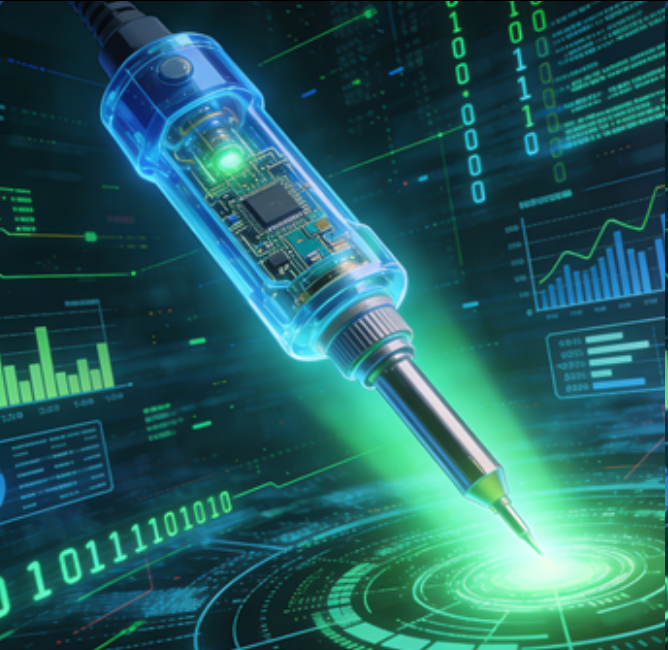
An industrial control probe is a precision sensing device designed to monitor, measure, and transmit critical operational data in industrial control systems (ICS), enabling real-time oversight of parameters like temperature, pressure, flow rate, vibration, or electrical current. Unlike general-purpose sensors, industrial control probes are engineered to withstand harsh industrial environments—including extreme temperatures, high humidity, chemical exposure, and mechanical stress—making them indispensable for industries such as manufacturing, oil and gas, power generation, and automotive production, where accurate data is vital for process optimization, safety compliance, and equipment maintenance.
The core design of an industrial control probe integrates three key components: a sensing element, a signal conditioning module, and a communication interface. The sensing element (e.g., a thermistor for temperature, a piezoelectric sensor for vibration) converts physical or electrical parameters into analog signals. The signal conditioning module amplifies, filters, and linearizes these signals to reduce noise and ensure accuracy—critical in industrial settings where electromagnetic interference (EMI) or voltage fluctuations are common. The communication interface (often protocols like Modbus, Profinet, or HART) transmits the processed data to a central control system (e.g., a programmable logic controller/PLC or a distributed control system/DCS), enabling automated adjustments or alerts. For example, a pressure probe in an oil pipeline can detect a pressure drop and send a signal to the PLC, which then shuts off a valve to prevent leaks.
Key performance features of industrial control probes prioritize reliability and precision. They offer wide measurement ranges (e.g., -200°C to 1000°C for temperature probes, 0 to 1000 bar for pressure probes) to adapt to diverse industrial processes. Accuracy is typically within ±0.1% to ±1% of the full-scale range, ensuring that even small parameter changes are detected. Many models include intrinsic safety certifications (e.g., ATEX, IECEx) for use in explosive environments like chemical plants or oil refineries, where sparks from electrical components could ignite flammable gases. Additionally, robust housings (made of stainless steel, titanium, or ceramic) protect internal components from corrosion, impact, or dust, extending the probe’s lifespan to 5–10 years with minimal maintenance.
Practical applications of industrial control probes span critical industrial processes. In manufacturing, a vibration probe on a production line motor can detect abnormal vibrations, indicating bearing wear, and trigger a maintenance alert before the motor fails—reducing downtime. In power plants, temperature probes monitor turbine exhaust temperatures to optimize energy efficiency and prevent overheating. In automotive assembly, flow rate probes ensure precise delivery of coolant or lubricant to machinery, maintaining consistent production quality. While industrial control probes require calibration every 6–12 months to maintain accuracy, their role in preventing costly accidents and optimizing processes makes them a cornerstone of modern industrial operations. For any industrial setting requiring real-time, reliable data monitoring, an industrial control probe is an essential component.
Read recommendations:
Why do new energy vehicles at this stage use AC charging piles?
Anti electromagnetic interference magnetic connector for high - speed data transmission systems


159-2067-7287 Mr. Wan

0769-86006029

No. 5, Zhenrong Road, Wusha, Chang'an Town, Dongguan City
 Whatapp
CopyRight © 2024 Dongguan Yongtan New Energy Co., Ltd. All Rights Reserved


 CN
CN
 Home >