


Time:2025-12-01 Views:1 source:News
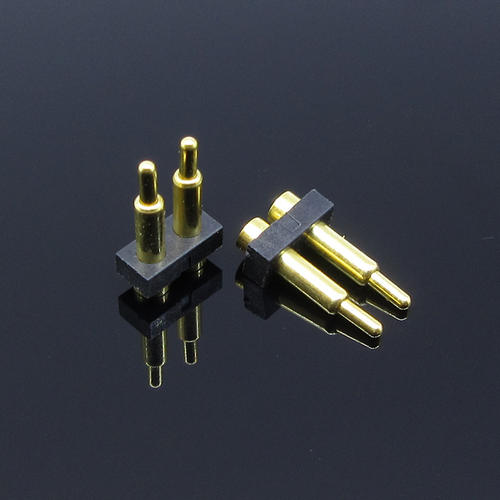
A fiber optic test probe is a specialized diagnostic tool designed to measure, inspect, and troubleshoot fiber optic networks and components—such as optical fibers, connectors, splitters, and transceivers. Unlike general electrical test tools, fiber optic test probes operate using light signals to assess parameters like optical power, signal loss (attenuation), reflectance (return loss), and fiber continuity, ensuring that fiber optic systems deliver reliable, high-speed data transmission. This makes them essential for industries like telecommunications, data centers, healthcare (medical imaging), and aerospace, where fiber optic networks are the backbone of high-bandwidth applications.
The core design of a fiber optic test probe varies by function but typically includes a light source, a photodetector, an optical interface, and a display/analysis module. For optical power measurement, the probe uses a photodetector (e.g., a photodiode) to convert incoming light signals into electrical signals, which are then processed to display power levels in decibels (dBm)—critical for verifying that a fiber link meets the required power budget. For loss measurement, many probes work with a separate light source (e.g., a laser or light-emitting diode/LED) to inject a known light signal into the fiber; the probe then measures the power at the other end, calculating attenuation as the difference between input and output power. For reflectance measurement, the probe uses optical time-domain reflectometry (OTDR) principles: it emits a light pulse into the fiber and analyzes the reflected light to identify issues like connector mismatches, fiber breaks, or splice losses—even locating the problem’s position along the fiber.
Key functionalities of fiber optic test probes include qualification testing, fault localization, and performance monitoring. In telecommunications, a technician uses a fiber optic test probe to qualify a new fiber link before deployment, ensuring it meets industry standards (e.g., TIA/EIA for structured cabling). In data centers, the probe troubleshoots network slowdowns by detecting signal loss caused by dirty connectors or damaged fibers—issues that can disrupt cloud services or high-speed data transfers. In medical imaging (e.g., endoscopes), the probe tests the optical fibers in the device to ensure they transmit light uniformly, avoiding image distortion that could affect diagnosis. Many modern probes also include wireless connectivity (Bluetooth or Wi-Fi) to sync data with a smartphone or laptop, enabling remote analysis and report generation.
Performance features of fiber optic test probes prioritize accuracy and compatibility. They support multiple fiber types (single-mode, multi-mode) and wavelengths (850nm, 1310nm, 1550nm—the most common in fiber networks), ensuring versatility across different systems. Accuracy for power measurement is typically within ±0.1 dBm, and loss measurement accuracy is within ±0.05 dB, meeting the strict requirements of high-performance networks. The optical interface uses industry-standard connectors (e.g., SC, LC, ST) to ensure a secure, low-loss connection with the fiber under test. Additionally, many probes are battery-powered and compact (fits in a technician’s hand), making them portable for field testing—critical for telecommunications technicians working on cell towers or remote fiber links.
Practical applications of fiber optic test probes ensure the reliability of global communication networks. In 5G infrastructure deployment, a probe tests the fiber links connecting cell towers, ensuring they can handle the high bandwidth required for 5G services. In healthcare, it verifies the performance of fiber optic endoscopes, ensuring clear images for minimally invasive surgeries. In aerospace, it tests fiber optic cables in aircraft, which transmit data for navigation and avionics systems—where failure could have catastrophic consequences. While fiber optic test probes require regular calibration with traceable standards (e.g., NIST-certified light sources), their role in maintaining the integrity of fiber optic networks makes them indispensable. For anyone working with fiber optic systems, a fiber optic test probe is a vital tool for ensuring performance and reliability.
Read recommendations:
Low cost production of magnetic connectors
Testing Methods for the Insertion and Extraction Life of Pogo Pins


159-2067-7287 Mr. Wan

0769-86006029

No. 5, Zhenrong Road, Wusha, Chang'an Town, Dongguan City
 Whatapp
CopyRight © 2024 Dongguan Yongtan New Energy Co., Ltd. All Rights Reserved


 CN
CN
 Home >