


Time:2026-01-06 Views:1 source:News
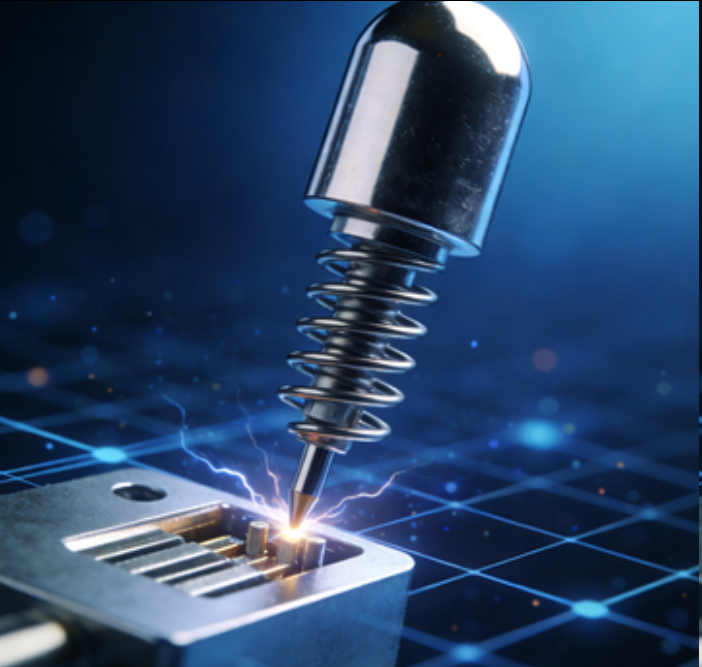
The contact reliability of pogopin probes is of paramount importance in ensuring the seamless operation of electronic devices. As these probes serve as crucial connectors for electrical signals, any compromise in their contact reliability can lead to intermittent connections, data transfer errors, or even complete system failures. Several interrelated factors contribute to maintaining and enhancing the contact reliability of pogopin probes.
Material selection plays a fundamental role. Noble metals like gold and silver are commonly used for the contact surfaces of pogopin probes due to their excellent electrical conductivity and resistance to oxidation. Gold, in particular, forms a thin, stable oxide layer that does not impede electrical flow, ensuring consistent contact over time. Additionally, the base materials of the probe, such as stainless steel for the housing and beryllium copper for the spring, must possess sufficient strength and durability to support the contact mechanism without deforming under normal operating conditions.
The design of the contact interface is another critical aspect. A well - designed pogopin probe features a precisely engineered contact tip shape and surface finish. Rounded or slightly convex contact tips increase the contact area and distribute the contact pressure evenly, reducing the risk of localized wear and improving the overall reliability. Moreover, the spring force within the probe is carefully calibrated. An optimal spring force ensures that the plunger maintains firm contact with the mating connector, even in the presence of vibrations or slight misalignments, while avoiding excessive pressure that could cause damage to the contact surfaces.
Manufacturing processes also significantly impact contact reliability. High - precision machining techniques are employed to ensure tight tolerances in the dimensions of the probe components. Any deviation in the size or shape of the housing, plunger, or contact tip can lead to improper contact and reduced reliability. Stringent quality control measures, including microscopic inspection of the contact surfaces for defects and electrical testing of each probe, are implemented to weed out substandard products.
In practical applications, environmental factors can pose challenges to contact reliability. Dust, moisture, and corrosive gases can contaminate the contact surfaces, increasing contact resistance. To mitigate these issues, pogopin probes may be designed with protective features such as sealed housings or coatings that repel contaminants. Regular maintenance and cleaning can also help preserve contact reliability, especially in harsh operating environments. Overall, ensuring the contact reliability of pogopin probes requires a holistic approach encompassing material selection, design optimization, precise manufacturing, and effective environmental protection.
Read recommendations:
Automatic docking of magnetic connector
Automatic docking with Magnetic PogoPin
The Future Development of Pogo Pin Connectors
Miniature and flexible Fast charging Magnetic PogoPin for earbuds


159-2067-7287 Mr. Wan

0769-86006029

No. 5, Zhenrong Road, Wusha, Chang'an Town, Dongguan City
 Whatapp
CopyRight © 2024 Dongguan Yongtan New Energy Co., Ltd. All Rights Reserved


 CN
CN
 Home >