


Time:2025-12-05 Views:1 source:News
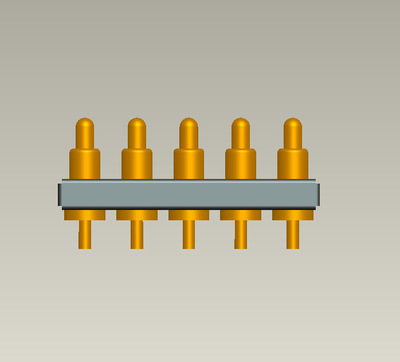
Capacitive test probes are tailored for evaluating capacitive touch screens, which operate by detecting changes in electrical capacitance caused by the proximity or contact of a conductive object (typically a human finger). Unlike resistive screens, capacitive models rely on an electrostatic field, so these probes are engineered to replicate the capacitive properties of human skin, ensuring accurate and reliable test results. The core component of a capacitive test probe is its conductive tip, which is designed to generate a consistent electrostatic signal that interacts with the screen’s capacitive layers.
A critical aspect of capacitive test probe design is maintaining a stable capacitance value. The tip’s material, size, and shape directly influence this—common materials include conductive silicone, carbon-filled polymers, or thin metal films, each selected for their ability to mimic the capacitance of human skin (usually around 100–200 pF). Many probes also feature adjustable capacitance settings, allowing them to test different types of capacitive screens, such as surface capacitance, projected capacitance, or mutual capacitance models. This flexibility is essential, as each screen type has unique sensitivity requirements.
In practical applications, capacitive test probes are used to check for issues like touch drift (where the screen registers a touch in the wrong location), ghost touches (unintended touch registrations), and low sensitivity in edge areas. They are often paired with automated testing systems that move the probe across predefined touch points, recording the screen’s response at each position. This data helps manufacturers ensure that their capacitive touch screens meet industry standards for accuracy and responsiveness, especially in devices where touch interaction is critical, such as medical monitors, point-of-sale systems, and smart home controls. As capacitive touch technology becomes more advanced (e.g., supporting multi-touch or waterproof functionality), these probes continue to adapt with enhanced precision and compatibility.
Read recommendations:


159-2067-7287 Mr. Wan

0769-86006029

No. 5, Zhenrong Road, Wusha, Chang'an Town, Dongguan City
 Whatapp
CopyRight © 2024 Dongguan Yongtan New Energy Co., Ltd. All Rights Reserved


 CN
CN
 Home >